
Going global with domestic beauty products is not a new topic, but tracking and analyzing every year on Jumei shows that it is a frequently discussed and constantly new topic.
At the data level, China's cosmetics exports have been on the rise for five consecutive years, with the export value approaching 56 billion yuan by 2025.
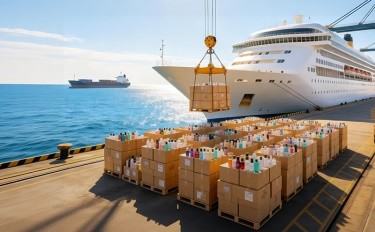
According to data from Time Weekly, over 50 domestic beauty brands have gone overseas in terms of brand layout; Han Shu went from a cold start to monthly sales of 300000 US dollars (approximately 2.085 million RMB) in Vietnam, and strategically cooperated with Juzi Biotech to expand its ecosystem overseas; Lin Qingxuan and Banmu Huatian both revealed their overseas intentions in their prospectus.
At the same time, Huaxizi and Huazhi joined Ulta Beauty; Ke Fumei and others entered overseas Watsons; Juduo not only opened its first overseas store, but also successfully opened up the young Vietnamese market with a "workplace love micro drama"... It can be seen that the narrative of domestic beauty products going global has undergone some new changes.
In addition, Jumei also discovered an interesting and noteworthy debate in its annual interview: white label going global vs. brand going global. Some industry insiders have suggested that in the next few years, leveraging overseas Tik Tok white label going global can showcase its capabilities; However, it is difficult for brands to establish themselves overseas
The follow-up series question is: What are the noteworthy new changes in domestic beauty products going global at present? As more and more domestic brands are discussing and expanding their overseas presence, a deeper discussion has emerged: is this a real opportunity for the development of domestic beauty products, or is it a new red ocean under collective competition?
Search from here
Get Free Quotes